
Bilieter: Digital Ticketing, Event Management, Meaning, Features, and Safety Guide
Bilieter is an uncommon online term that has recently appeared in discussions about digital ticketing, event planning, attendee management, QR-code tickets, and modern event technology. Some recent online articles describe Bilieter as a digital ticketing or event-management concept, while other sources describe it as an informational website that publishes guides about events and ticketing.
This difference is important because the name Bilieter should not automatically be treated as the name of a traditional ticket marketplace.
Current information connected with Bilieter is not completely consistent. Recent search results have described Bilieter in connection with digital ticketing and event-planning guides, while the current Bilieter website now presents itself as an informational publication focused on topics such as care planning, health and wellness, home safety, legal and financial issues, and caregiver support.
For that reason, the safest way to understand Bilieter is to look at the term in context.
When people search for Bilieter, they may be interested in digital tickets, online event registration, QR codes, event planning, ticket security, or an online information resource. These are related subjects, but they are not necessarily the same service.
This guide explains what Bilieter means online, why people may search for it, how digital ticketing works, what features are normally associated with modern ticketing systems, how to evaluate a ticketing website, and what buyers and event organizers should know about security and privacy.
Bilieter Meaning in Simple Words
In simple terms, Bilieter is a name associated online with ticketing and event-related information.
The word itself is not a widely established English dictionary term with one universally accepted definition. Instead, its meaning depends on where a person encounters it.
A searcher may see Bilieter mentioned alongside terms such as:
- Digital tickets
- Online ticketing
- Event registration
- QR-code tickets
- Event management
- Attendee check-in
- Ticket security
- Event planning
- Venue management
- Online event guides
Some websites currently describe Bilieter as an informational resource rather than a direct ticket seller. Other recent pages use the name when discussing digital ticketing technology.

This creates an important distinction between the name Bilieter and the wider concept of digital ticketing.
Is Bilieter a Ticketing Platform?
There is not enough consistent current evidence to describe Bilieter as a conventional ticket marketplace without qualification.
Some recent content has described Bilieter in the context of digital ticketing and event management. For example, recent Bilieter articles discuss event ticketing systems, ticket design, event planning, attendee management, and QR-code entry.
However, the current Bilieter website that is accessible today presents a different focus. Its homepage is organized around caregiving topics, including care planning, home safety, legal and financial matters, health and wellness, and caregiver support.
This means readers should not assume that an older or third-party article describing Bilieter as a ticketing platform represents the current function of the website.
The practical lesson is simple: always check the current website, terms, contact information, and actual checkout process before assuming that a website sells tickets.
Why Is Bilieter Getting Attention Online?
The growing interest in Bilieter appears to be connected partly to the larger growth of digital event technology.
People increasingly expect event information and tickets to be available online.
Instead of visiting a physical box office, a customer can often:
- Find an event online.
- Read event details.
- Select a ticket.
- Pay electronically.
- Receive a digital ticket.
- Store the ticket on a phone.
- Present a QR code at the venue.
- Enter after the code is verified.
This process is now common across concerts, conferences, sporting events, festivals, exhibitions, community events, and other gatherings.
As a result, terms connected with digital ticketing can attract search interest even when the specific website or brand behind the term is unclear.
How Digital Ticketing Works
Digital ticketing replaces or reduces the need for traditional paper tickets.
A typical digital ticketing system has several stages.
Event Creation
The organizer creates an event and provides basic information such as the event name, date, location, description, capacity, and ticket types.
Ticket Setup
The organizer establishes ticket categories.
Examples may include:
- General admission
- VIP
- Early-bird
- Student
- Group
- Child
- Reserved seating
- Complimentary tickets
Online Checkout
Customers select tickets and complete payment through an online checkout system.
Digital Ticket Delivery
After payment, the customer may receive a confirmation email containing a ticket or instructions for accessing a digital ticket.
QR-Code or Barcode Verification
The ticket may contain a QR code or barcode that can be scanned at the entrance.
Attendee Check-In
Staff scan the code and verify whether the ticket is valid and unused.
Attendance Reporting
The organizer can use check-in information to understand attendance and event performance.
This basic process explains why terms such as Bilieter may be associated with ticketing technology.
What Is a Digital Ticket?
A digital ticket is an electronic version of an event admission ticket.
It can be delivered through:
- A mobile website
- An event application
- A digital wallet
- An online account
Digital tickets commonly contain information such as:
- Event name
- Date
- Venue
- Ticket type
- Order information
- Seat information when applicable
- QR code or barcode
- Entry instructions
The exact design varies between ticket providers.
A digital ticket is not automatically proof that a website is legitimate. Buyers should still verify the seller and event organizer.
What Is a QR-Code Ticket?
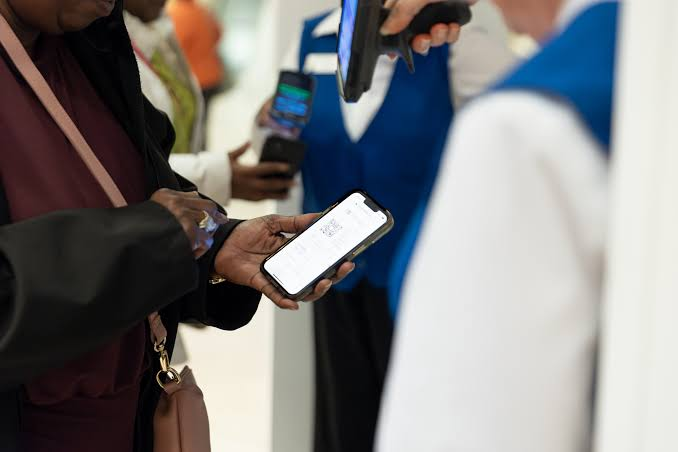
A QR-code ticket uses a two-dimensional barcode that can be scanned using a compatible device.
At an event entrance, staff may use a smartphone, tablet, or dedicated scanner to read the code.
The system can then check whether the ticket is:
- Valid
- Associated with the event
- Already used
- Cancelled
- Otherwise restricted
QR codes make event entry faster because staff do not necessarily need to manually enter a long ticket number.
However, a QR code itself does not guarantee security.
The security depends on how the ticketing system creates, verifies, stores, and manages the code.
Why QR Codes Are Important in Digital Ticketing
QR codes have become common because they are easy to display on smartphones.
A customer does not need to print a ticket in many cases.
The customer can simply open the ticket on a phone and show the code.
For organizers, QR codes can also reduce manual data entry.
A scanner can connect the ticket with the attendee record in the event system.
This can help staff determine whether a ticket has already been used.
Can Digital Tickets Be Copied?
Yes, digital ticket information can potentially be copied.
This is why ticket security matters.
If someone shares a screenshot of a static QR code, another person may attempt to use the same code.
Modern ticket systems may use different security methods to reduce this risk.
Depending on the platform, these may include:
- Unique ticket identifiers
- Server-side verification
- One-time validation
- Dynamic codes
- Account-based access
- Entry logs
- Device-based controls
- Fraud monitoring
The exact security features depend on the provider.
An event organizer should understand how a ticketing system protects against duplicate or fraudulent tickets before choosing a platform.
Is Bilieter Safe?
There is no simple yes-or-no answer because the name Bilieter appears in different online contexts.
If you encounter a website using the Bilieter name, evaluate that specific website rather than relying only on the name.
Check:
- Who operates the website?
- What service does it actually provide?
- Does it have clear contact information?
- Does it explain its privacy practices?
- Does it have clear terms?
- Is the event organizer clearly identified?
- Does the payment page use secure connections?
- Does the ticket confirmation identify the actual event?
- Can the event information be confirmed independently?
These checks are useful for any unfamiliar ticketing website.
Bilieter and Online Privacy
Privacy is an important part of digital ticketing.
A ticket purchase may involve personal information such as:
- Name
- Email address
- Phone number
- Billing information
- Ticket selection
- Event attendance information
- Device information
- IP address
- Account information
Not every ticketing service collects all of these details.
The amount of information collected depends on the platform and the event organizer.
The current Bilieter privacy policy says the website may collect information such as a visitor’s name and email when the visitor contacts the site, subscribes to updates, or submits a form. It also describes collection of non-personal analytics information such as browser type, device type, pages visited, and time spent on the website.
This is different from the data requirements of a traditional ticket marketplace.
That distinction again shows why users should look at the actual service they are using rather than assuming that every Bilieter reference describes the same system.
What Should You Check Before Buying a Ticket?
Before paying for any event ticket online, take a few minutes to verify the transaction.
First, check the event.
Make sure the event exists and that the date, location, and organizer information match information from an independent source.
Next, check the seller.
Look for a recognizable company or clearly identified event organizer.
Then check the checkout page.
Make sure the final price is clear before payment.
Pay attention to:
- Ticket price
- Service fees
- Taxes
- Delivery fees
- Refund conditions
- Transfer rules
- Cancellation terms
Never assume that a low advertised ticket price is the final amount.
How to Recognize a Suspicious Ticket Website
An unfamiliar ticket website is not automatically fraudulent.
However, several warning signs deserve attention.
Be cautious if a website:
- Demands unusual payment methods
- Does not identify the event organizer
- Has no clear contact information
- Uses pressure tactics
- Makes unrealistic promises
- Has unclear refund policies
- Requests unnecessary personal information
- Has inconsistent company information
- Contains many copied or poorly written pages
- Redirects users through unrelated domains
One warning sign alone does not prove fraud.
Several warning signs together should make you stop and investigate.
Why Search Results Can Be Misleading
Search engines organize information based on many signals.
A high-ranking page is not automatically the official page for a brand.
This is especially important with uncommon names such as Bilieter.
Multiple websites may publish articles about the same keyword.
Some pages may be educational.
Others may be commercial.
Some may be outdated.
Some may repeat information from another article without independently verifying it.
Therefore, search ranking should not be treated as proof of authenticity.
Bilieter and Event Planning
Digital ticketing is only one part of event management.
A successful event also requires planning for:
- Venue selection
- Capacity
- Seating
- Staff
- Security
- Registration
- Marketing
- Payments
- Accessibility
- Emergency procedures
- Attendee communication
- Post-event reporting
Recent Bilieter event-planning content covers subjects such as event budgeting, venue selection, vendor coordination, digital ticketing, gate operations, and post-event financial reconciliation.
These topics show how ticketing connects with the larger event-management process.
Bilieter and Attendee Registration
Ticket sales and attendee registration are related but not identical.
A ticket proves that someone has purchased or received admission.
Registration can collect additional information.
For example, a conference may ask for:
- Name
- Job title
- Organization
- Dietary requirements
- Session preferences
- Accessibility needs
A well-designed registration system should collect only information that is genuinely needed.
This is important for both privacy and user experience.
Long registration forms can discourage people from completing the process.
Bilieter and Event Check-In
Check-in is the moment when digital ticketing becomes a physical event experience.
A customer may have completed a purchase successfully, but the event can still feel poorly organized if the entrance process is slow.
Common check-in problems include:
- Poor internet connection
- Dead phone batteries
- Unreadable codes
- Duplicate tickets
- Missing guest records
- Insufficient staff
- Long lines
- Poor signage
Good event planning therefore requires a backup plan.
Organizers should know what happens if the internet stops working or a scanner fails.
Why Offline Check-In Can Matter
Internet connectivity cannot always be guaranteed at a venue.
Large crowds can create network problems.
Outdoor events may have weak cellular service.
Temporary venues may not have reliable internet.
For this reason, professional ticketing systems may offer some form of offline or fallback check-in.
The exact technology varies.
The important principle is that organizers should test the system before event day.
A backup process can prevent a small technical problem from becoming a major entrance delay.
Ticketing and Event Security
Ticket security involves more than preventing fake tickets.
Organizers also need to protect attendee information and payment systems.
Important security measures can include:
- Secure account authentication
- Access controls
- Payment security
- Fraud detection
- Ticket validation
- Staff permissions
- Audit logs
- Secure data storage
- Regular software updates
Event organizers should also limit employee access to information that staff do not need.
For example, a door scanner operator may only need information required to verify admission.
They may not need access to complete customer billing information.
Two-Factor Authentication for Event Accounts
Two-factor authentication can add an extra layer of protection.
Instead of relying only on a password, the user may need a second verification method.
This can help protect organizer accounts from unauthorized access.
The importance is easy to understand.
If someone gains control of an organizer’s ticketing account, they may potentially gain access to sensitive event information or make unauthorized changes.
Strong passwords and multi-factor authentication are therefore valuable security practices.
Bilieter and Ticket Refunds
Refund policies are an important part of event ticketing.
Before purchasing a ticket, buyers should understand:
- Whether tickets are refundable
- When refunds are allowed
- Whether service fees are refundable
- What happens if the event is postponed
- What happens if the event is cancelled
- Whether tickets can be transferred
- Whether the ticket can be resold
A clear refund policy helps prevent confusion.
Recent Bilieter event-planning material emphasizes the importance of clearly communicating cancellation and refund rules before checkout.
However, the specific policy for an actual event depends on the organizer and applicable law.
What Happens If an Event Is Cancelled?
There is no single universal process for every event.
An organizer may:
- Offer a full refund
- Offer a partial refund
- Move the ticket to a new date
- Offer event credit
- Provide another remedy described in the published terms
Buyers should read the event’s actual terms rather than relying on a general rule.
State and federal consumer-protection laws may also apply depending on the situation.
Bilieter and Ticket Design
Ticket design has a practical purpose.
A ticket should make important information easy to find.
This may include:
- Event name
- Date
- Time
- Venue
- Gate
- Seat
- Ticket type
- QR code
- Entry instructions
A crowded ticket can create confusion.
Recent Bilieter content about ticket design emphasizes the importance of readable layouts, clear information hierarchy, and appropriately formatted QR codes.
The same principle applies to both digital and printed tickets.
Digital Wallet Tickets
Modern ticketing can also use mobile wallets.
Instead of opening an email every time, a user may save a ticket to a compatible digital wallet.
This can make entry easier.
A wallet pass can potentially display important information such as:
- Event name
- Date
- Location
- Ticket information
- QR code or barcode
The exact features depend on the ticket provider and mobile operating system.
Benefits of Digital Ticketing
Digital ticketing offers several potential advantages.
Faster Ticket Delivery
Customers can receive tickets almost immediately after completing a purchase.
Less Paper
Digital tickets reduce the need for printed admission documents.
Easier Event Management
Organizers can manage sales and attendee information through software.
Faster Check-In
QR codes and barcodes can reduce manual entry.
Better Attendance Data
Digital systems can provide information about sales and check-ins.
Easier Communication
Organizers can send updates to ticket holders when appropriate.
More Flexible Event Management
Digital systems can support multiple ticket types and changing event information.
These advantages explain why digital ticketing continues to grow.
Limitations of Digital Ticketing
Digital ticketing also has disadvantages.
Not everyone has the same access to smartphones, reliable internet, or digital accounts.
Other problems can include:
- Dead phone batteries
- Poor network connections
- Forgotten passwords
- App problems
- Scanning errors
- Technical failures
- Privacy concerns
- Service fees
- Customer support delays
For these reasons, good digital ticketing should include human support and backup procedures.
Technology should make an event easier, not create unnecessary barriers.
Accessibility and Digital Tickets
Accessibility is another important consideration.
Some attendees may have:
- Visual impairments
- Hearing impairments
- Mobility limitations
- Cognitive disabilities
- Limited digital skills
Event organizers should consider whether ticket information and check-in procedures are accessible.
Accessible event design can include:
- Clear instructions
- Readable text
- Accessible websites
- Staff assistance
- Accessible entrances
- Alternative support options
Accessibility should be considered during planning rather than added at the last moment.
Bilieter and Event Marketing
Ticketing and marketing are closely connected.
An event cannot sell tickets if potential attendees do not know about it.
Common marketing channels include:
- Social media
- Search engines
- Event websites
- Partnerships
- Influencers
- Community organizations
- Paid advertising
The ticketing page should match the event’s marketing message.
If an advertisement says one price but the checkout shows another price after unexpected fees, customers may lose trust.
Transparency is therefore important.
Why Checkout Experience Matters
A person can decide to buy a ticket and still abandon the purchase.
Common reasons include:
- Too many checkout steps
- Unexpected fees
- Slow loading pages
- Required account creation
- Confusing event information
- Limited payment options
- Lack of trust
A good checkout process should be simple and clear.
The customer should know what they are buying before submitting payment.
Bilieter and Event Data
Digital ticketing creates valuable information for organizers.
Depending on the system, organizers may analyze:
- Tickets sold
- Sales by ticket type
- Sales over time
- Attendance
- Check-in rates
- Refunds
- Marketing sources
- Customer demographics when lawfully collected
Data can help organizers understand what worked.
However, collecting data creates responsibility.
Organizers should not collect information simply because software allows them to.
They should have a clear reason for collecting it.
Privacy Risks in Digital Ticketing
Digital ticketing can create privacy risks when personal data is collected, stored, shared, or exposed improperly.
Potential risks include:
- Data breaches
- Phishing
- Unauthorized account access
- Excessive data collection
- Unclear data-sharing practices
- Weak passwords
- Unsecured devices
Users should use unique passwords and be careful with unexpected emails.
Organizers should implement reasonable security controls and understand their legal responsibilities.
Phishing and Fake Ticket Emails
Ticket buyers should be careful with email messages claiming to provide ticket updates.
A phishing email may try to convince the recipient to:
- Click a fake ticket link
- Enter a password
- Provide payment details
- Download malicious software
- Confirm personal information
If an email looks suspicious, do not click its links immediately.
Instead, visit the known official website by entering the address manually or using a trusted bookmark.
How to Verify a Digital Ticket
After purchasing a ticket, check the confirmation carefully.
Make sure:
- Your name is correct when required.
- The event name is correct.
- The date is correct.
- The venue is correct.
- The ticket type is correct.
- The order number is present.
- The entry instructions are clear.
Save the confirmation email and ticket somewhere accessible.
If possible, keep a backup copy.
What Event Organizers Should Look for in a Ticketing Platform
If you are an event organizer researching Bilieter or another ticketing service, do not choose a platform based only on appearance.
Evaluate:
Pricing
Understand all fees.
Ask who pays the service fee.
Ticket Types
Check whether the system supports your event’s ticket structure.
Capacity Management
Make sure the system can prevent overselling.
Payment Processing
Understand which payment methods are supported.
Check-In
Test the scanning process before event day.
Reporting
Look for useful sales and attendance reports.
Security
Review account security and data protection practices.
Customer Support
Find out how problems are handled.
Refunds
Understand how refunds and cancellations work.
Integrations
Check whether the system works with your website, email tools, accounting software, or other systems.
Questions to Ask Before Choosing Any Ticketing Service
Before choosing a ticketing service, ask a few important questions. Find out who owns and protects customer data, how payments are processed, and what happens if the event is cancelled or the platform stops working. Check whether customers can transfer tickets and whether staff can have different access levels. It is also useful to know if tickets can be scanned without an internet connection, how duplicate tickets are handled, and how quickly refunds are processed. Finally, check what type of customer support is available on the day of the event. These practical questions are often more important than simply choosing a platform because it has a modern-looking website.
Bilieter vs. Traditional Paper Tickets
Traditional paper tickets are physical documents, while digital tickets are stored and delivered electronically. Paper tickets can be helpful because customers do not need a smartphone or internet connection to show them. Digital tickets are convenient because they can be delivered quickly, updated easily, and managed online. Both options have advantages and disadvantages, so some events use a combination of the two. For example, an event may provide digital tickets while also having a help desk to assist customers who have phone, ticket, or technical problems.
Bilieter and the Future of Event Ticketing
The future of ticketing is likely to become increasingly digital.
Potential developments include:
- Mobile wallets
- Dynamic QR codes
- Automated fraud detection
- Digital identity verification
- Contactless entry
- Personalized event recommendations
- Automated attendee communication
- Better analytics
- Integrated venue systems
- Artificial intelligence for event operations
However, technology should not replace good event planning.
A sophisticated ticketing system cannot compensate for poor communication, inadequate staffing, or unclear event policies.
The best systems support people rather than making the process unnecessarily complicated.
Artificial Intelligence and Event Ticketing
Artificial intelligence can potentially help event organizers analyze large amounts of data.
Possible uses include:
- Predicting attendance
- Identifying sales trends
- Segmenting audiences
- Improving marketing campaigns
- Detecting unusual ticket activity
- Automating customer-service responses
- Forecasting demand
However, AI systems also create questions about privacy, accuracy, bias, and transparency.
Organizers should understand what information an AI system uses and how automated decisions affect customers.
Human oversight remains important.
Is Bilieter Legitimate?
The question “Is Bilieter legitimate?” cannot be answered responsibly without identifying the exact website or service being discussed.
The current Bilieter website is a content publication and currently presents information about caregiving rather than a traditional ticket marketplace.
At the same time, recent indexed pages under the Bilieter name have published extensive material about ticketing and event management.
This inconsistency means users should verify the exact page and service before making a payment or sharing sensitive information.
The safest conclusion is not that every Bilieter reference is legitimate or illegitimate.
Instead, evaluate the specific website, transaction, organizer, and payment request.
Is Bilieter a Scam?
The name Bilieter alone does not prove that something is a scam. To decide whether something is safe or fraudulent, you need to look at the specific website, seller, payment request, or transaction. If you receive a Bilieter-related payment request, check the event carefully before paying. Confirm the event with the venue using its official contact information and make sure the organizer is real. Review the payment page and avoid trusting only screenshots, messages, or social media posts. Independent verification can help you avoid fake ticket offers and online scams.
What Should You Do If You Already Paid for a Suspicious Ticket?
If you think you may have paid a fraudulent ticket seller, act as quickly as possible. Keep your payment confirmation, emails, messages, screenshots, website information, ticket details, and order number as evidence. Contact your bank, card provider, or payment service through its official website or phone number and explain what happened. If you shared a password with a suspicious website, change it immediately. Also change the password on any other account where you used the same password. Avoid sending the seller any additional personal, payment, or account information.
Why Digital Literacy Matters With Bilieter
Digital literacy means knowing how to check online information before trusting it. When searching for Bilieter, look at who published the information, when it was published, and whether the page is current and official. You should also check whether the website actually sells tickets, how it handles personal information, and whether the event can be confirmed through another trusted source. Taking a few minutes to verify information can help you avoid misleading claims, fake websites, fraudulent ticket offers, and other common online risks.
Bilieter Search Intent
People searching for “Bilieter” may have several different goals.
Some may want a simple definition.
Others may be searching for:
- Bilieter meaning
- Bilieter ticketing
- Bilieter digital tickets
- Bilieter event management
- Bilieter platform
- Bilieter login
- Bilieter events
- Bilieter tickets
- Bilieter QR code
- Bilieter ticket system
- Bilieter event planning
- Bilieter review
- Is Bilieter legitimate?
- Is Bilieter safe?
These searches show why a simple one-sentence definition may not satisfy every user.
A useful explanation needs to separate the name, the technology, the website, and the user’s intended purpose.
Related Terms for Bilieter
The broader semantic topic around Bilieter includes:
- Digital ticketing
- Event ticketing
- Online event registration
- Event management software
- QR-code ticketing
- Mobile tickets
- Electronic tickets
- Attendee management
- Event check-in
- Ticket scanning
- Venue management
- Ticket security
- Event marketing
- Event analytics
- Digital event passes
- Mobile wallet tickets
- Event registration software
- Ticket fraud prevention
Understanding these terms makes it easier to understand how modern event technology works.
Bilieter for Event Organizers
If you are an event organizer, focus on what you need from a ticketing system instead of only looking at the brand name. A good system should make it easy to see how many tickets have been sold, how many guests have checked in, and which ticket types are most popular. It should also provide a simple way to handle refunds, verify tickets at the entrance, and continue working if the internet goes down. Organizers should also check who can access attendee information, whether event data can be exported, and whether customers receive clear ticket confirmations. These practical features are important when choosing any ticketing provider.
Bilieter for Ticket Buyers
For ticket buyers, the priority is different.
You need to know:
- Who is selling the ticket?
- Is the event real?
- What is the final price?
- What is the refund policy?
- How will the ticket be delivered?
- How will entry work?
- What information is collected?
- Who should you contact if something goes wrong?
A ticket buyer does not need to understand every technical detail.
But they should understand enough to verify that they are dealing with a legitimate event and seller.
The Difference Between a Ticketing Platform and an Information Website
This distinction is especially important when researching Bilieter.
A ticketing platform normally provides transaction-related functions such as:
- Ticket purchase
- Payment processing
- Ticket delivery
- Attendee records
- Event registration
- Ticket scanning
- Check-in
An information website may instead provide:
- Articles
- Guides
- Explanations
- Templates
- Educational resources
- Industry news
A website can discuss ticketing without actually selling tickets.
That is why the phrase “Bilieter digital ticketing platform” should be checked against the current website rather than accepted automatically.
How to Evaluate Bilieter Information Online
If you find a page about Bilieter, look at the date first.
Then check the author.
Next, determine whether the page is describing:
- The current Bilieter website
- A previous version of the website
- A general ticketing concept
- A third-party interpretation
- A historical service
This simple process can prevent confusion.
It is especially useful when a website’s current subject differs from older search results.
Frequently Asked Questions About Bilieter
Is Bilieter an English dictionary word?
Bilieter is not a commonly recognized standard English dictionary word with one established everyday definition. Online usage varies, and the term has been associated with digital ticketing, event management, and informational content. The meaning should therefore be determined from context.
Why do different websites describe Bilieter differently?
Online information can become inconsistent when websites publish articles based on older information, third-party descriptions, or changing website content. In the case of Bilieter, recent search results have included ticketing-related material, while the current website has a different editorial focus.
Can I use Bilieter to buy a concert ticket?
Do not assume that the Bilieter name means that a particular page sells tickets. First verify that the specific website is an active ticket seller, identify the event organizer, and confirm the event through an independent source. The current Bilieter website does not present itself on its homepage as a conventional concert-ticket marketplace.
What information should I avoid sharing with an unfamiliar ticket website?
Avoid sharing unnecessary sensitive information, including passwords, account recovery codes, full financial credentials, or identity information that is not required for the transaction. A legitimate ticket purchase should clearly explain why requested information is needed.
What is the most important thing to know before using any Bilieter-related website?
The most important point is to verify the exact website and its current purpose. Do not rely only on search snippets or third-party articles. Check the current website, event organizer, ticket terms, privacy information, payment process, and refund policy before purchasing anything.
Conclusion
Bilieter is an uncommon term that has appeared online in connection with digital ticketing, event management, QR-code tickets, event planning, and related technology. However, current online information is not completely consistent. Recent indexed material has described Bilieter through ticketing and event-management guides, while the current Bilieter website now presents itself as an informational publication focused on caregiving and related topics.
Because of this difference, it is important not to assume that every page using the Bilieter name represents the same service. A website that publishes information about ticketing is not necessarily a company that sells tickets. Likewise, an old description of a website may not accurately describe its current purpose.
For anyone researching Bilieter, the best approach is to verify the exact website, check current information, confirm event details independently, understand ticket and refund terms, and protect personal information. The broader digital ticketing industry offers many useful tools, including online registration, QR-code check-in, mobile tickets, attendee management, and event analytics. But these technologies are most useful when they are combined with transparent policies, good security, accessible design, and reliable customer support.
In short, Bilieter is best understood by considering both the term’s online association with modern ticketing and the current status of the website using that name. Careful verification is more reliable than assuming that every search result provides the same definition.